A microscope is a scientific instrument used to magnify and observe very small objects that cannot be seen clearly with the naked eye. It uses lenses or other technologies to enlarge the image of tiny specimens such as cells, microorganisms, and fine structures, allowing detailed study in science, medicine, education, and research laboratories. There will be several types of microscopes, each designed for a specific purpose. These are the types of commonly used microscopes:
Types of Microscope Explained: Uses, Features & Applications
1. Simple Microscope

A simple microscope is a basic optical instrument that uses a single convex lens to magnify small objects. It works by bending light rays to produce a virtual, erect, and enlarged image when the object is placed within the focal length of the lens. Simple microscopes are easy to use, portable, and commonly used for low-power magnification in educational, laboratory, and everyday observation tasks.
Uses of Simple Microscope
-
Reading small printed text
-
Examining coins, stamps, and documents
-
Jewelry and gemstone inspection
-
Watch and clock repairing
-
Basic laboratory observations
-
Electronics and circuit inspection
-
Educational demonstrations
2. Fluorescent Microscope
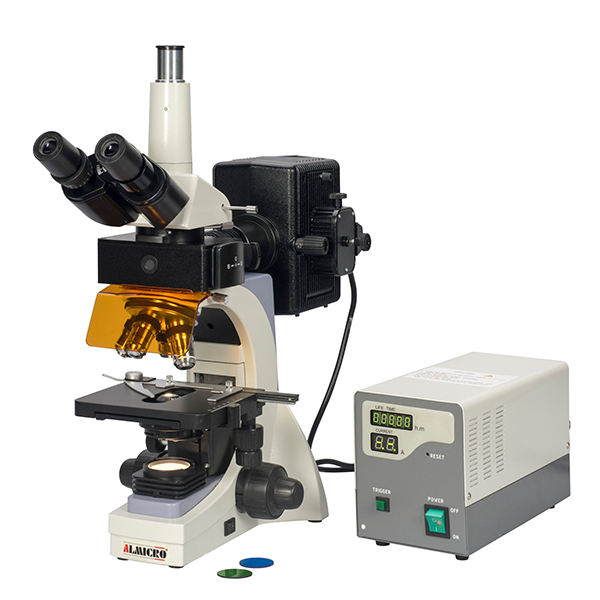
A fluorescent microscope uses high-intensity light (such as ultraviolet or blue light) to excite fluorescent dyes or naturally fluorescent materials in a specimen. These dyes emit light at longer wavelengths, creating vivid, color-differentiated images on a dark background.
- This method enables scientists to visualize specific components within a cell—like proteins or DNA—with high contrast and precision.
- Fluorescent microscopy is widely used in biological research, medical diagnostics, and microbiology to identify and track molecular interactions.
3. Stereo Microscope
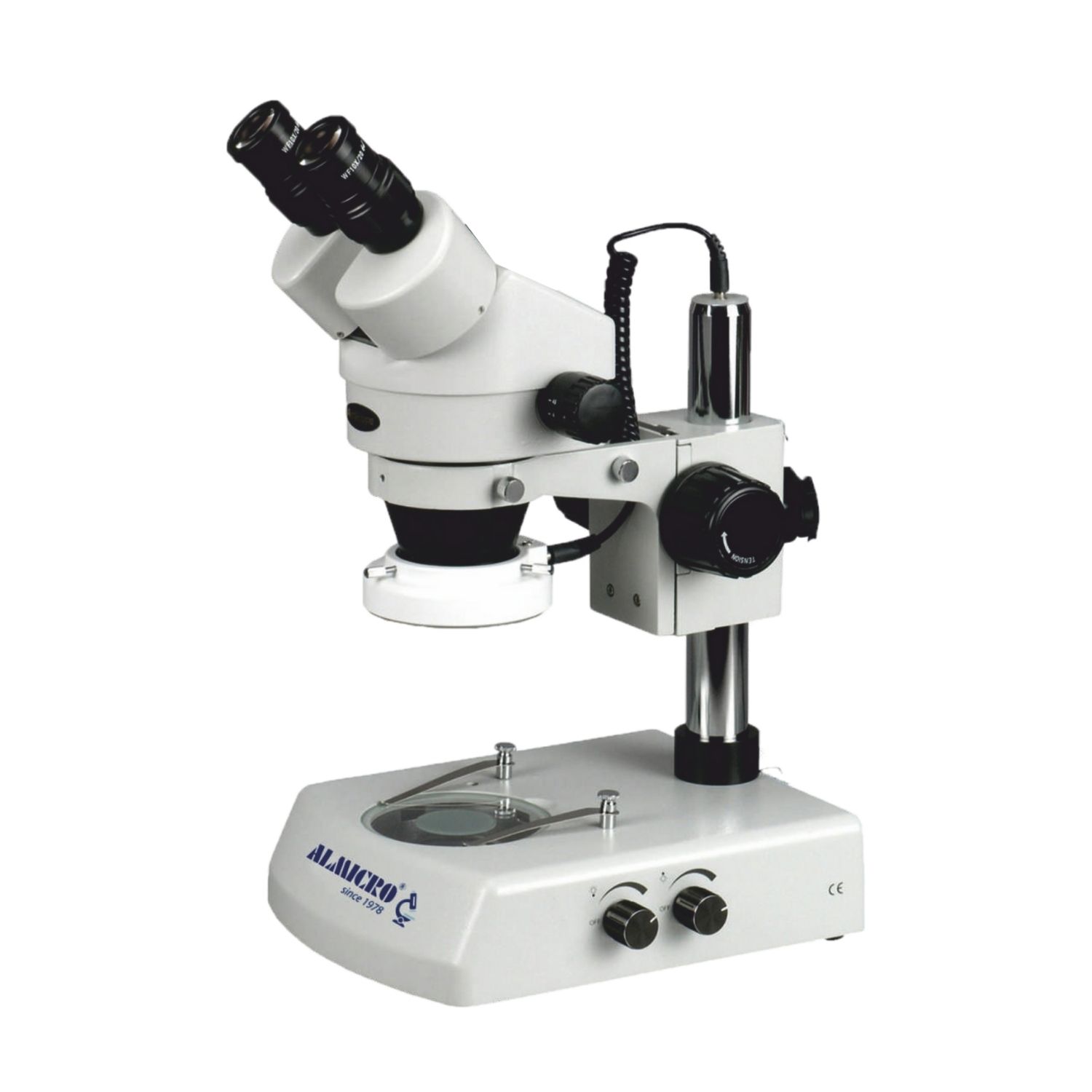
The stereo microscope (also called a dissecting microscope) operates by using two separate optical paths to provide a three-dimensional view of a sample. It is mainly used for observing the surface details of larger specimens at low magnification.
Two main types include:
-
Greenough Type – has two independent optical tubes angled slightly inward to create a 3D effect.
-
Common Main Objective (CMO) Type – uses a single objective lens with two eyepieces, allowing interchangeable objectives and higher-quality images.
Stereo microscopes are capable of providing depth perception and precise manipulation of samples, making them invaluable in biology, electronics assembly, quality control, and dissection work.
4. Compound Microscope
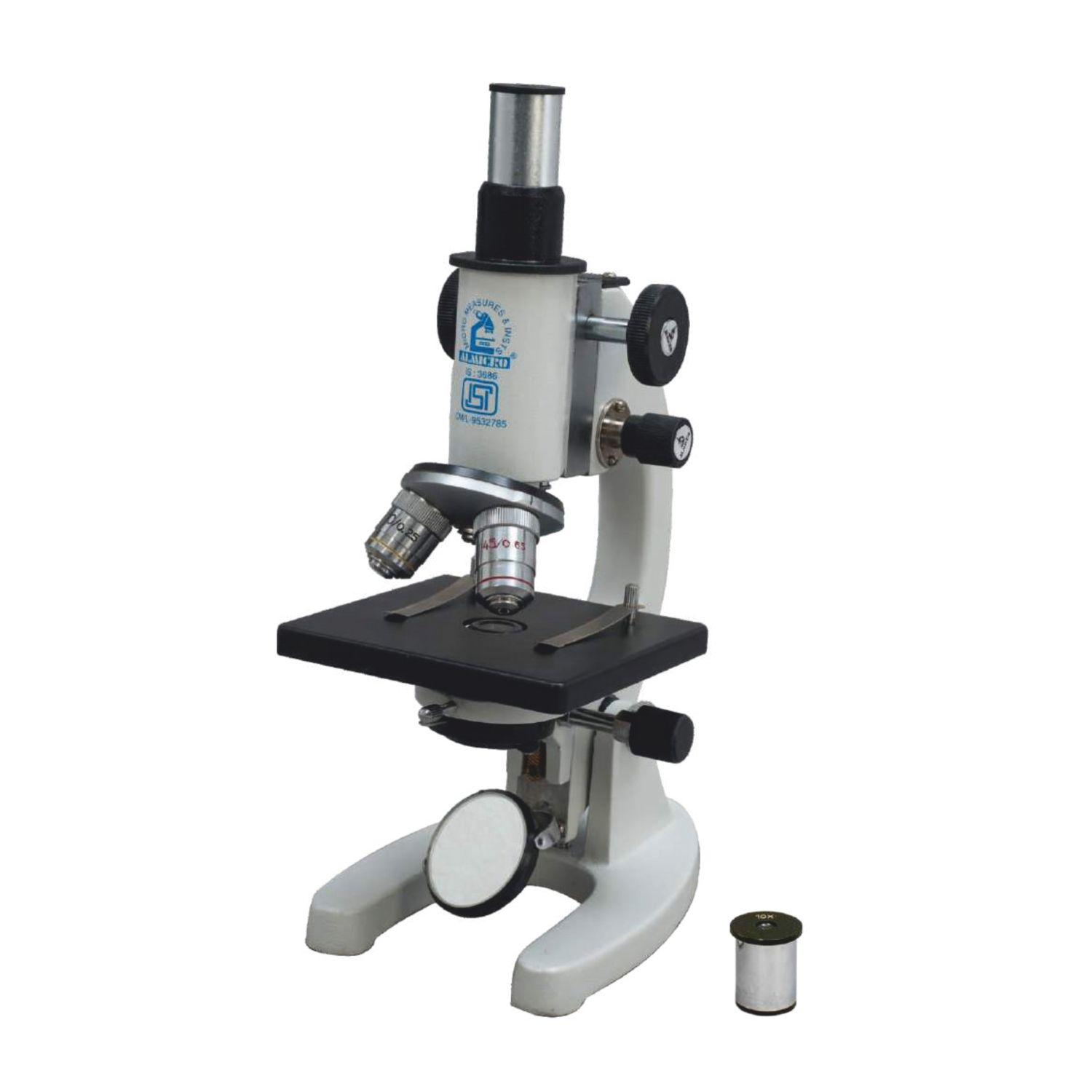
A compound microscope is an optical instrument that uses two sets of lenses—an objective lens and an eyepiece—to achieve high magnification of small specimens. The objective lens forms a magnified real image, which is further enlarged by the eyepiece to produce a clear virtual image. Compound microscopes are widely used in laboratories, schools, and research facilities for detailed observation of cells and microorganisms.
Uses of Compound Microscope
-
Viewing cells and tissues
-
Microbiology and pathology studies
-
Medical and diagnostic laboratories
-
Educational and school laboratories
-
Research in biology and chemistry
-
Blood, urine, and sample analysis
-
Pharmaceutical and clinical testing
5. Digital Microscope
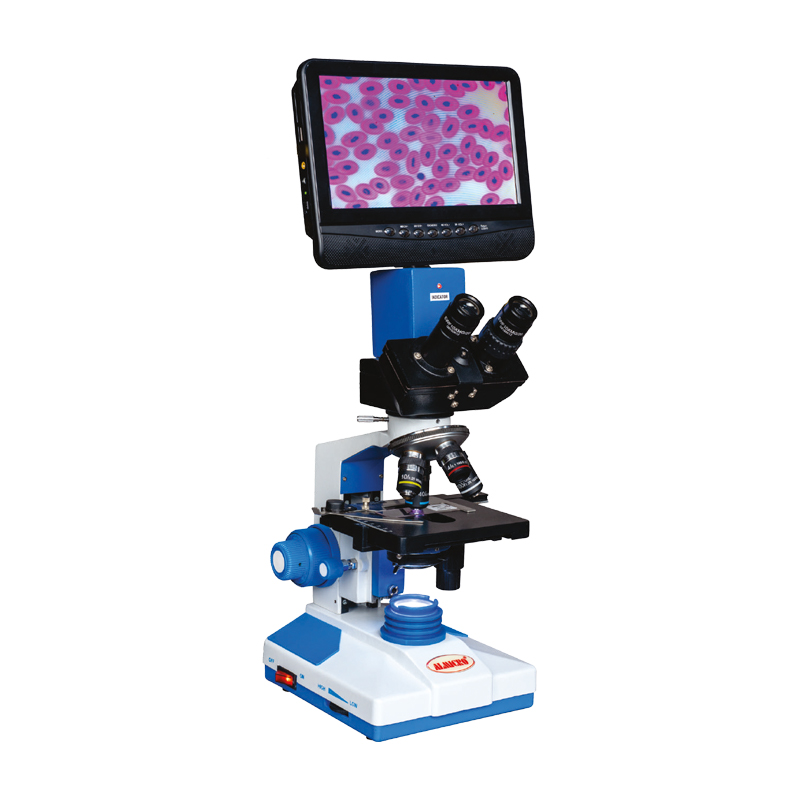
A digital microscope integrates a built-in digital camera or image sensor, allowing users to view specimens directly on a computer or display screen.
They support real-time image capture, measurement, and analysis without the need for eyepieces.
Digital microscopes are extremely popular in education, research, manufacturing, and forensic investigations due to their convenience, portability, and advanced imaging features.
Uses of a Digital Microscope:
Used for real-time viewing and detailed analysis of specimens on a screen
Allows image capture and video recording for documentation and reporting
Widely used in education and training for easy demonstration and learning
Applied in industrial inspection, electronics, and quality control processes
Used in forensic science and research laboratories for accurate measurement and analysis
6. Deca Head Microscope
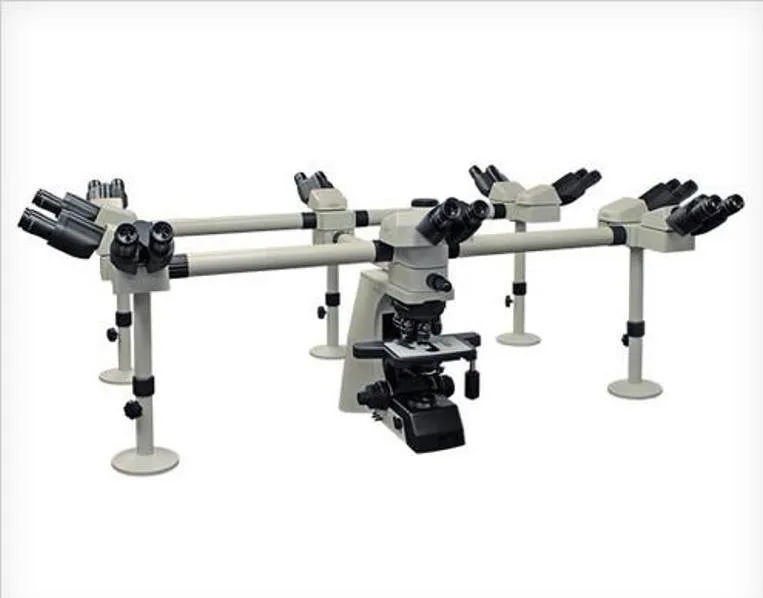
A Deca Head Microscope is a specialized optical microscope designed with ten viewing heads connected to a single optical system. It allows multiple users to observe the same specimen simultaneously without loss of image quality. This microscope is mainly used for group demonstrations, teaching, training, and collaborative analysis, ensuring all viewers see the same focused and magnified image at the same time.
Uses of Deca Head Microscope
-
Medical and biological teaching demonstrations
-
Classroom and laboratory training sessions
-
Group observation in research labs
-
Pathology and histology discussions
-
Clinical diagnosis training
-
Workshops and seminars
-
Quality control and inspection training
7. Binocular and Trinocular Microscopes
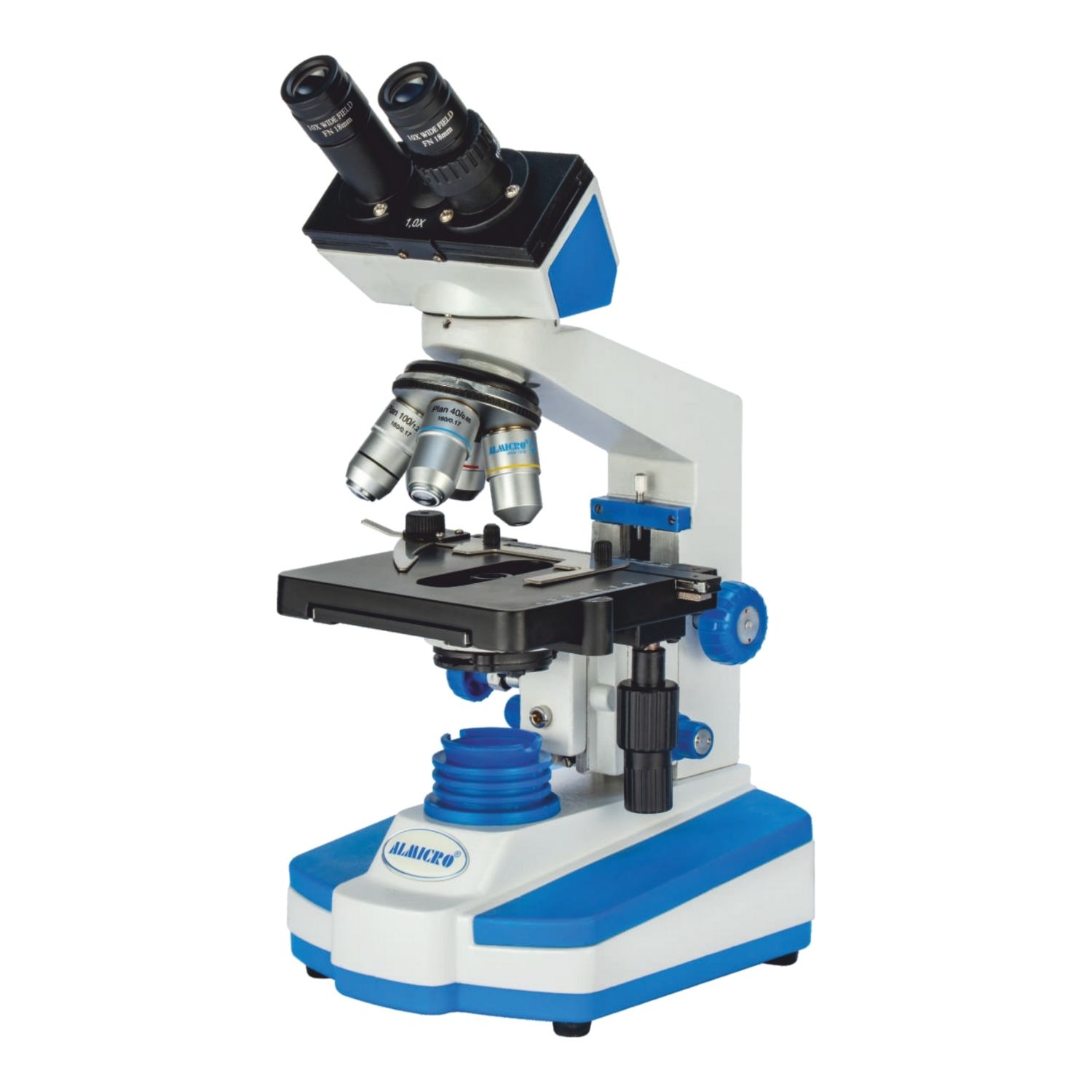
Binocular microscopes feature two eyepieces, providing a comfortable and three-dimensional viewing experience, especially during long observation sessions.
In contrast, trinocular microscopes come with an additional port for attaching a camera, allowing users to capture images or record videos of the specimen.
These microscopes are extensively used in medical labs, industrial research, and educational institute.
Uses of Binocular and Trinocular Microscopes:
-
Used in medical and diagnostic laboratories for examining blood samples, tissues, and microorganisms
-
Ideal for long-duration observations due to comfortable dual-eye viewing
-
Widely used in research laboratories for biological and chemical analysis
-
Trinocular models support camera attachment for image capture, documentation, and teaching
-
Commonly used in educational institutions for practical training and demonstrations
8. Medical Microscope
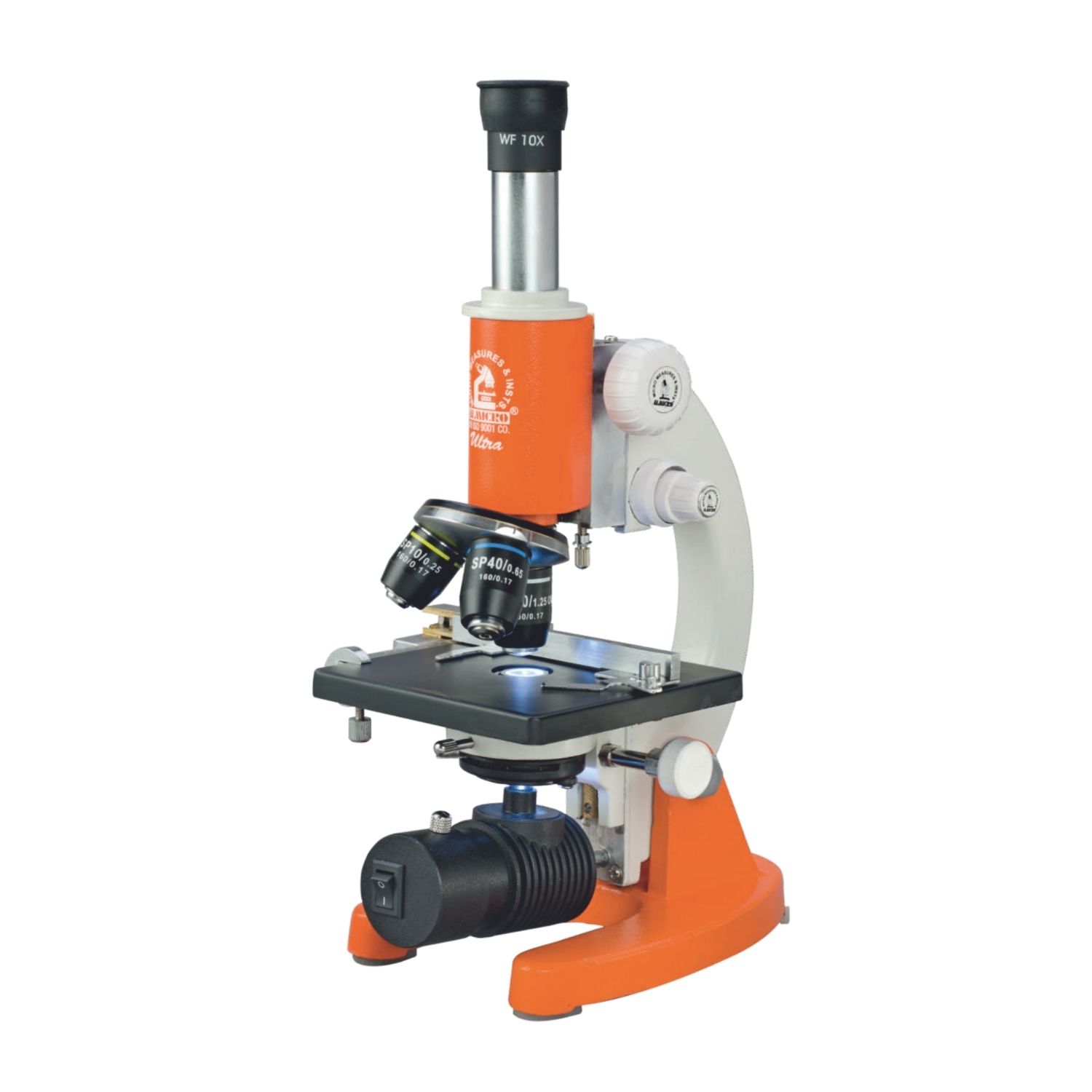
Medical microscopes are specifically designed for clinical and pathological examinations. They are used in hospitals, diagnostic laboratories, and research centers to analyze blood samples, bacteria, tissue structures, and other biological materials.
Uses of Medical Microscopes:
-
Used for examining blood samples to diagnose infections and blood-related disorders
-
Helps in identifying bacteria, parasites, and other microorganisms
-
Essential for histopathology and cytology to study tissue and cell structures
-
Used in hospitals and diagnostic laboratories for disease detection and monitoring
-
Supports clinical research, medical training, and pathology analysis
With enhanced clarity and illumination, medical microscopes play a crucial role in disease detection, cell counting, and histopathology.
9. Confocal Microscope

A confocal microscope uses laser light and a pinhole aperture to eliminate out-of-focus light, producing highly detailed and three-dimensional images.
It’s particularly powerful in cell biology and fluorescence imaging, allowing scientists to reconstruct 3D models of cells, tissues, or even small organisms with remarkable precision.
Frequently Asked Questions (FAQs)
1. What are the main types of microscopes used today?
The most commonly used microscopes include simple microscopes, compound microscopes, stereo microscopes, fluorescent microscopes, digital microscopes, confocal microscopes, and medical microscopes. Each type is designed for a specific level of magnification and application, ranging from basic observation to advanced scientific research.
2. Which microscope is best for beginners and students?
A compound microscope or a simple microscope is ideal for beginners and students. These microscopes are easy to operate, affordable, and suitable for observing cells, tissues, and microorganisms in school and college laboratories.
3. What is the difference between a compound microscope and a stereo microscope?
A compound microscope is used for viewing thin, transparent specimens at high magnification, such as cells and bacteria. A stereo microscope, on the other hand, provides a low-magnification, three-dimensional view and is mainly used for surface inspection, dissection, and industrial applications.
4. Why is a fluorescent microscope used in medical and biological research?
Fluorescent microscopes allow scientists to observe specific molecules, proteins, or DNA inside cells using fluorescent dyes. This makes them extremely useful in cancer research, microbiology, immunology, and disease diagnosis.
5. What are digital microscopes used for?
Digital microscopes are used for real-time viewing, image capture, measurement, and documentation. They are widely used in education, quality inspection, forensic science, electronics, and research laboratories where image sharing and analysis are required.
6. What is a confocal microscope and why is it important?
A confocal microscope uses laser scanning technology to eliminate blurred images and create sharp, high-resolution 3D images. It is important for advanced cell biology, fluorescence imaging, and detailed tissue analysis.
7. What is the purpose of a Deca Head Microscope?
A Deca Head Microscope allows up to ten people to view the same specimen simultaneously. It is mainly used for teaching, training sessions, workshops, and collaborative medical or laboratory discussions.
8. Which microscope is used in hospitals and diagnostic labs?
Medical microscopes, including binocular and trinocular microscopes, are commonly used in hospitals and diagnostic laboratories. They help in examining blood samples, tissues, bacteria, and other clinical specimens for disease diagnosis.
9. What is the advantage of a trinocular microscope over a binocular microscope?
A trinocular microscope includes an additional camera port, allowing users to capture images or record videos without disturbing observation. This feature is especially useful for documentation, research, teaching, and presentations.
10. How do I choose the right microscope for my application?
Choosing the right microscope depends on factors such as magnification needs, sample type, application area, and budget. For education, compound microscopes are ideal; for surface inspection, stereo microscopes work best; and for research or medical diagnostics, advanced microscopes like fluorescent or confocal microscopes are recommended.
11. Are microscopes used only in laboratories?
No, microscopes are also widely used in industries such as electronics, jewelry inspection, forensic science, quality control, watchmaking, and education, apart from laboratories and research centers.
12. What magnification is suitable for observing cells and microorganisms?
To observe cells and microorganisms clearly, a magnification range of 400x to 1000x is generally suitable. Compound microscopes are commonly used for this purpose.
13. Can digital microscopes replace traditional microscopes?
Digital microscopes do not fully replace traditional microscopes but complement them. They offer convenience, image recording, and easy sharing, while traditional microscopes still provide superior optical clarity for detailed observation.
14. Why are stereo microscopes important in industrial applications?
Stereo microscopes provide depth perception and allow precise manipulation of objects. This makes them essential for electronics assembly, quality inspection, circuit analysis, and mechanical work.
15. How often should a microscope be calibrated and maintained?
Microscopes should be cleaned regularly and professionally calibrated at least once a year to ensure accurate magnification, proper alignment, and long-term performance.
Related Article
2. What is a Simple Microscpoe
3. What is Compound Microscope